
Quick overview: how timing changes what you pay for a truck
When you are deciding when to shop, three practical goals tend to drive timing: the lowest purchase price, the widest selection, or the lowest financing cost. Used pickup prices show clear seasonality, often peaking in spring and early summer and softening in late fall and winter, so months like November through February often offer lower used-truck prices Manheim Used Vehicle Value Index and Market Insights.
It depends on your priorities. If you need the lowest purchase price, winter months often help. If selection is most important, shop spring and summer. If financing cost is decisive, watch prevailing loan rates and the H.15 data and consider waiting for lower APRs.
New truck incentives and model year changeovers create a separate discount window that tends to appear from late summer through year end, and financing costs move independently based on policy rate shifts and the Federal Reserve H.15 series that influenced typical auto-loan APRs through 2024 to 2026 Selected Interest Rates (H.15) - Federal Reserve.
How seasonality and market cycles affect used truck prices
What the market index data shows
Industry indices and market reports show a consistent pattern: used vehicle values, including pickups, tend to climb into spring and early summer before easing in the colder months. That national pattern helps explain why asking prices and trade values often look different across seasons and can guide buyers who are timing a purchase Seasonal Trends for Used Vehicles. Used Chevrolet Silverado 1500 pricing trends
Local market variation and supply driven shifts
National seasonality is a starting point, not a guarantee. Local inventory levels, regional demand for pickup trucks, and the timing of fleet or dealer trade-ins can shift when prices peak or soften in your area, so it helps to watch local listing trends rather than relying only on national indices Manheim Used Vehicle Value Index and Market Insights.
Run a vehicle history report and compare pricing insights
Run a vehicle history report and compare pricing insights to confirm local pricing patterns before you travel to a dealer.
To check local trends, monitor listing counts and recent sale prices across several sources and note whether inventory is building or shrinking. If supply is rising and demand is flat, that is often when asking prices soften, and that same inventory signal can show up earlier or later than the national pattern Seasonal Trends for Used Vehicles.
When scanning listings, filter for the combination of model year, trim, and powertrain you need, because mismatches between what you want and what the market offers can make a seasonal advantage harder to capture without extra flexibility.
New trucks, model year changeovers, and incentive windows
When model changeovers create discounts
Late summer through the end of the model year commonly brings manufacturer incentives and dealer discounts on outgoing models, which can lower asking prices on new or near new trucks and on dealer-owned inventory that dealers want to clear When is the Best Time to Buy a Truck? (Buying Calendar and Tips).

These incentive windows are different from the seasonality seen in the used market, because manufacturers use incentives to accelerate sales of the prior model year, while used pricing responds to consumer demand, trade cycles, and regional inventory flows Best Time to Buy a Car (month-by-month guide).
How dealer trade cycles affect outgoing inventory
Dealers also respond to internal targets. End of month, end of quarter, and end of year periods can increase dealer willingness to discount as they try to hit sales goals, which is why buyers sometimes find improved leverage during those cycles when negotiating on new and near new inventory When is the Best Time to Buy a Truck? (Buying Calendar and Tips).
Remember that incentives and dealer cycles may not move used prices the same way as they move new-vehicle discounts; the two markets overlap but are driven by different incentives.
Financing and total cost to own: when interest rates should influence timing
How changes in policy rates affect auto loan APRs
Interest rates are a separate cost that can change the math of a purchase. Movements in policy rates and the H.15 series materially affected typical auto-loan APRs in recent years, so a change in prevailing rates can alter the total financing cost enough to influence whether it is worth waiting to buy Selected Interest Rates (H.15) - Federal Reserve.
Quick estimate of total financing cost to compare timing
Simple estimate, actual amortization differs
When comparing a lower asking price in winter to a higher price in spring, run a simple financing comparison that adds expected total interest to the purchase price and then compare totals; financing differences can be larger or smaller than seasonal price swings depending on rate movement and loan terms Selected Interest Rates (H.15) - Federal Reserve.
Preapproval can help you compare offers and identify whether current loan rates make waiting attractive, but keep in mind rates vary by credit profile and lender and that a small change in APR can compound over the life of a loan.
A practical month by month truck buying timeline
Spring: selection and high prices

Spring often brings higher demand and strong used-vehicle values, which can mean more competition and higher asking prices for popular pickups, so buyers prioritizing selection should budget for upward price pressure during these months Seasonal Trends for Used Vehicles.
Summer: incentives and choice
Summer can offer the widest choice as dealers stock incoming models and as trade activity is active; late summer in particular is a common window for model-year changeovers and manufacturer incentives that can reduce prices on new and near new trucks When is the Best Time to Buy a Truck? (Buying Calendar and Tips). Buying a Used Truck in 2025: Good Time or Bad Move?
June through August can be a good time to shop if you need more options and are willing to watch incentives and negotiate on dealer-held inventory.
Fall and winter: softer prices and increased dealer urgency
From late fall into winter, used-truck prices tend to soften and dealer urgency can rise, producing better opportunities for buyers focused on lower purchase prices, with November through February commonly cited as months when used pickup prices are lower on average Manheim Used Vehicle Value Index and Market Insights. October 2025 Used Truck Market Holds Steady
Use the winter months to seek out gently used units, and confirm exact model year and trim because turnover in later months can include a mix of outgoing and incoming model inventory that affects comparability.
Always treat this month by month guide as a planning tool rather than a rule; local inventory and occasional market shocks can shift timing by weeks or months Seasonal Trends for Used Vehicles.
Risk reduction checklist when shopping for a Chevy Silverado
What to check in a vehicle history report
Before you commit, obtain a verified vehicle history report and check title status, ownership history, service history, mileage checks, and any no-accident-reported flags to reduce post purchase uncertainty and speed sensible comparisons across listings Used-Car Buying Checklist and Inspection Guide.
chevy silverado for sale
When evaluating a chevy silverado for sale, confirm the exact model year, trim, and powertrain rather than assuming equipment is consistent across similar listings; checking those details helps avoid surprises on compatibility and parts later.
Filters and listing signals to prioritize
Use platform filters for clean title, single owner, service records, mileage checks, and price analysis labels to prioritize listings, and look for dealer transparency signals like reviews and a detailed dealer profile to reduce friction when you visit in person Used-Car Buying Checklist and Inspection Guide.
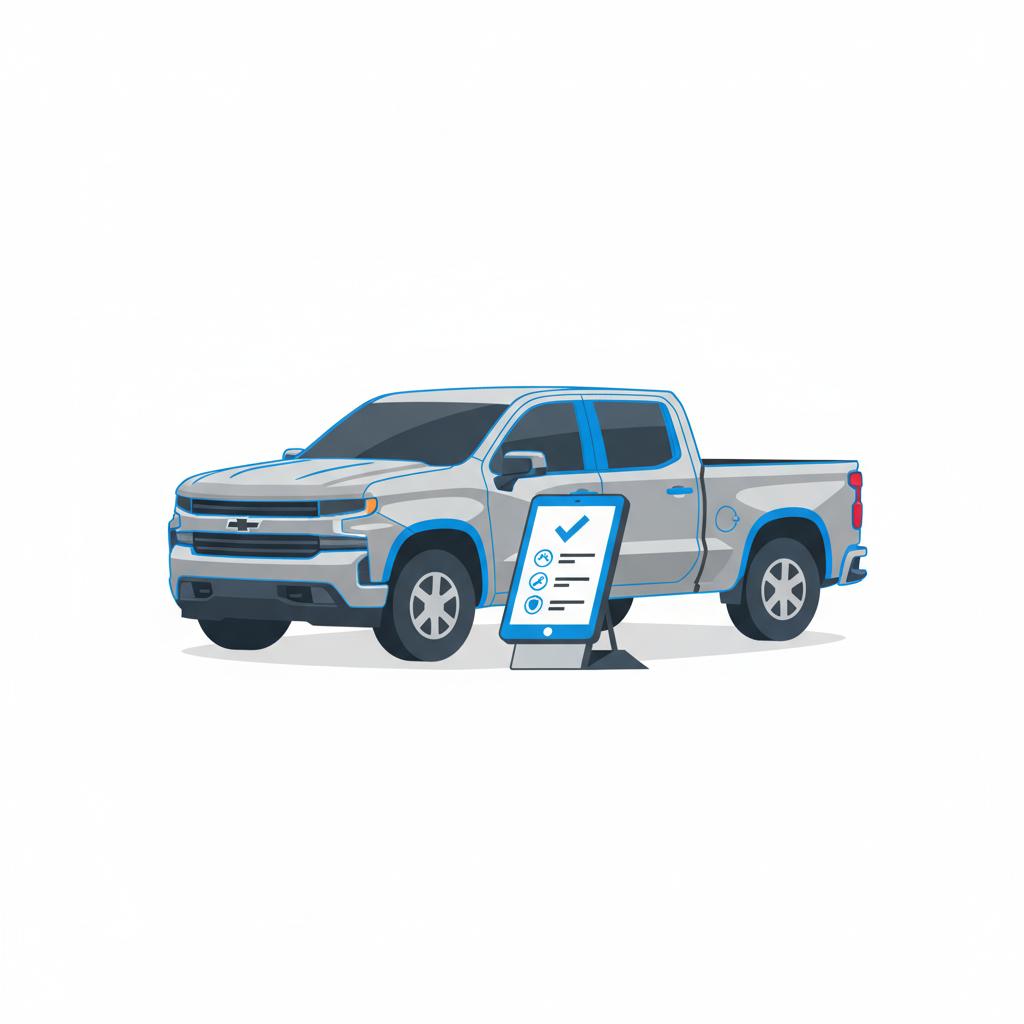
CarFax Deals can act as a trust and verification layer by pairing vehicle history reports with pricing insights that help buyers compare listings faster and spot risk signals before contact with a dealer.
Common mistakes buyers make and how to avoid them
Overfocusing on the sticker price without accounting for financing and total cost to own can be costly; since interest rates move separately from asking prices, estimate the financing component before concluding which timing window is cheaper overall Selected Interest Rates (H.15) - Federal Reserve.
Skipping a verified vehicle history report, or failing to confirm title status and ownership records, increases the risk of post purchase surprises; always obtain and review the vehicle history report and check service history and mileage before agreeing to a price Used-Car Buying Checklist and Inspection Guide.
Assuming national seasonality applies exactly in your local market is another common trap; verify local inventory and recent sale prices to ensure the seasonal window you are planning for is actually present in your area Manheim Used Vehicle Value Index and Market Insights.
Decision guide: choose based on price, selection, or financing
If your priority is lowest purchase price
Recommended months: November through February, when used pickup prices often soften and dealer urgency can increase; before you buy, run a vehicle history report, confirm title status and ownership, and compare local pricing context Manheim Used Vehicle Value Index and Market Insights.
If your priority is widest selection
Recommended months: spring and summer, when inventory and choice tend to be larger; check model introductions and watch for summer incentives if you are considering near new units Seasonal Trends for Used Vehicles.
If your priority is lowest financing cost
Recommended action: monitor prevailing loan rates and the H.15 policy series; if rates are falling, waiting for lower APRs may reduce total cost to own more than a seasonal price swing would change it Selected Interest Rates (H.15) - Federal Reserve.
Across all priorities, use end of month, quarter, or year dealer cycles to improve negotiating leverage when possible When is the Best Time to Buy a Truck? (Buying Calendar and Tips).
Conclusion and next steps
Timing a truck purchase is a matter of tradeoffs: winter months often favor lower used prices, spring and summer favor selection, and changes in interest rates can change the financing math. Choose the window that matches your main priority and run a few checks before you commit Seasonal Trends for Used Vehicles.
Quick checklist before contacting a dealer: run a vehicle history report, confirm title and ownership, check local listings and inventory trends, and compare financing offers to estimate total cost to own Used-Car Buying Checklist and Inspection Guide.

On average, used pickup prices tend to soften in late fall and winter, so months like November through February often offer lower used-truck prices in many markets. Local conditions can differ.
It depends on your priority. Late summer through year end can bring manufacturer incentives on new or outgoing models, while winter may offer lower used prices. Compare total cost including financing and local inventory before deciding.
Obtain a verified vehicle history report and confirm title status, ownership history, and service records to reduce the most common post purchase uncertainties.
References
- https://www.manheim.com/insights/used-vehicle-value-index
- https://www.federalreserve.gov/releases/h15/
- https://www.coxautoinc.com/market-insights/seasonal-trends-used-vehicles
- https://www.cargurus.com/research/price-trends/Chevrolet-Silverado-1500-d630
- https://carfaxdeals.com/how-to-use
- https://www.edmunds.com/car-buying/best-time-to-buy-truck.html
- https://carfaxdeals.com/run-report
- https://www.kbb.com/car-advice/when-is-the-best-time-to-buy-a-car/
- https://www.actresearch.net/resources/blog/us-classes3-8-used-trucks-blog
- https://tfltruck.com/2025/07/buying-a-used-truck-in-2025-good-time-or-bad-move/
- https://carfaxdeals.com/vinreport
- https://www.consumerreports.org/cars/used-car-buying-guide/
- https://carfaxdeals.com/blog